
Performative Allyship: The Dark Side of Social Media Activism and How to Avoid It
Slacktivism and The Unseen Consequences


Performative allyship, also known as performative activism, has become a buzzword on social media. It refers to people who claim to be allies of a marginalized group but only do so for the sake of appearing woke, rather than truly understanding and advocating for the cause. In this blog post, we will explore the dangers of performative allyship and how to avoid it.
Understanding the Definition of Performative
Performative is a term used to describe something that is done purely for show or to be seen by others. In the context of allyship, performative activism refers to people who only publicly support a cause to appear virtuous and gain social capital, while not truly understanding or advocating for the cause they claim to support.
Performative actions can be harmful because they trivialize the struggles of marginalized groups and turn activism into a trend. It is a way for people to show off their supposed support without actually doing anything meaningful to help.
Definition of Allyship and Its Importance
Allyship is the act of standing in solidarity with a marginalized group, advocating for their rights, and actively working to dismantle the systems of oppression that harm them. It is important because it recognizes that marginalized groups cannot fight for their own rights alone and that people in positions of privilege have a responsibility to use their power to help.
True allyship involves ongoing education, self-reflection, and a willingness to listen and learn from marginalized communities. It requires a commitment to taking action and using one's privilege to create meaningful change.
The Dangers of Performative Allyship
Performative allyship is dangerous because it perpetuates the idea that activism is a trend that people can hop on and off of at their convenience. It trivializes the struggles of marginalized groups and turns activism into a performance. This can lead to a lack of real change and can even harm the very communities that performative allies claim to support.
Performative allyship can also be deadly. For example, during the Black Lives Matter protests in the summer of 2020, many people posted black squares on social media as a way of showing support for the movement. However, this performative action actually drowned out important information and resources that were being shared on social media to support the protests. It also gave people a false sense of accomplishment, leading them to believe that they had done their part when, in reality, there was still much work to be done.
Examples of Performative Allyship
Performative allyship can take many forms. Here are some examples:
· Posting on social media about a cause without taking any real action
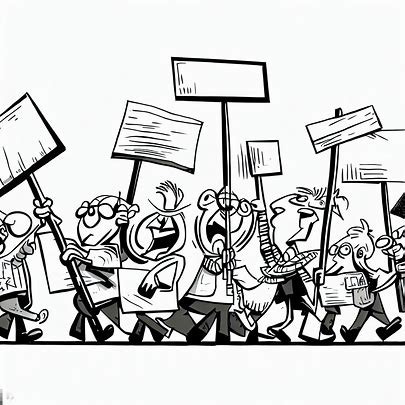
· Attending a rally or protest to take a photo for social media, but not engaging in any meaningful activism
· Using buzzwords or hashtags to appear woke without truly understanding their meaning
· Donating to a cause to appear virtuous, but not taking any steps to understand the root causes of the issue or working to create meaningful change
Performative Activism: When Social Media Engagement Is More About Image Than Impact

The Rise of "Slacktivism"
One of the most significant issues with social media activism is the rise of "slacktivism" or performative activism. This term refers to the act of participating in social or political issues superficially, often to improve one's social image rather than genuinely supporting the cause. Examples of slacktivism include posting a black square on Instagram for Blackout Tuesday or changing a profile picture to support a cause without taking any real action.
The Dangers of Performative Activism
While it may seem harmless, performative activism can have negative consequences. When people engage in slacktivism, they may feel as though they have made a significant contribution and therefore do not need to take further action. This can lead to a decrease in meaningful activism, such as signing petitions, donating money, or attending protests. Additionally, performative activism can dilute the message of the movement and create a false sense of progress.
Peer Pressure and the Expectation to Take a Public Stance
"Silence Is Violence"
The idea that "silence is violence" has become a common refrain in social media activism. While this sentiment aims to emphasize the importance of speaking out against injustice, it can also create a culture of peer pressure where individuals feel obligated to publicly support a cause, even if they do not fully understand or agree with it.
The Pressure to Conform
In an environment where staying silent can be seen as opposition or disagreement, many people may feel pressured to conform to the majority opinion. This can lead to individuals posting about issues they do not genuinely care about or even supporting causes they do not agree with, simply to avoid backlash from their peers.
The Importance of Personal Choice
While it is essential to encourage awareness and engagement with social and political issues, it is also crucial to respect individual choices about how and when to engage. Some people may feel uncomfortable taking a public stance on social media, and they should not be shamed for their decision.
Conclusion: The Ongoing Work of Allyship
Performative allyship is a dangerous trend that trivializes the struggles of marginalized communities and perpetuates the idea that activism is a trend. True allyship involves ongoing education, self-reflection, and a commitment to taking meaningful action to create change. Becoming a genuine ally requires a willingness to listen and learn from marginalized communities, not just what’s on trend. We are all allies in this fight we call existence, so let’s make something meaningful whilst we have the chance.
King Sin